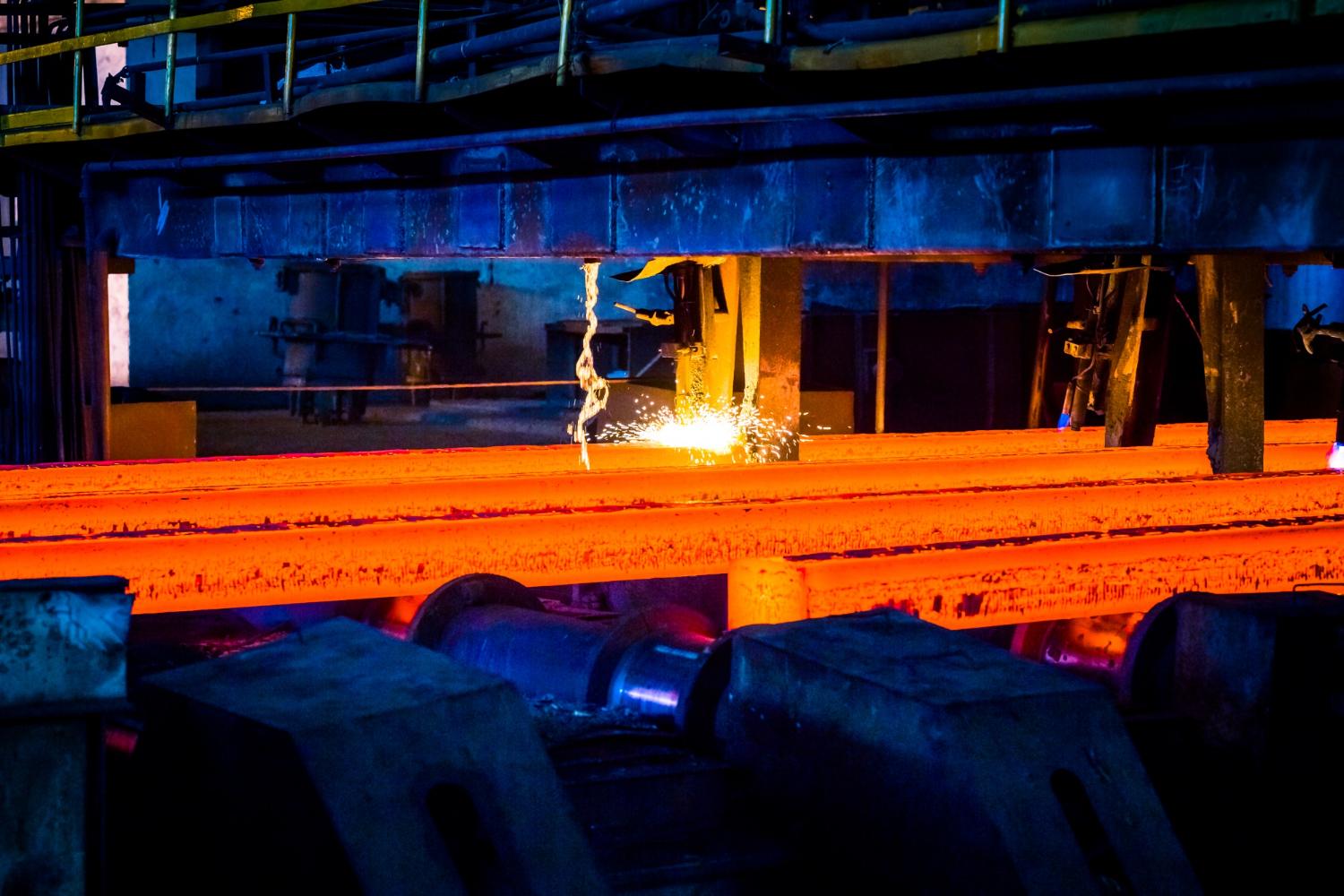
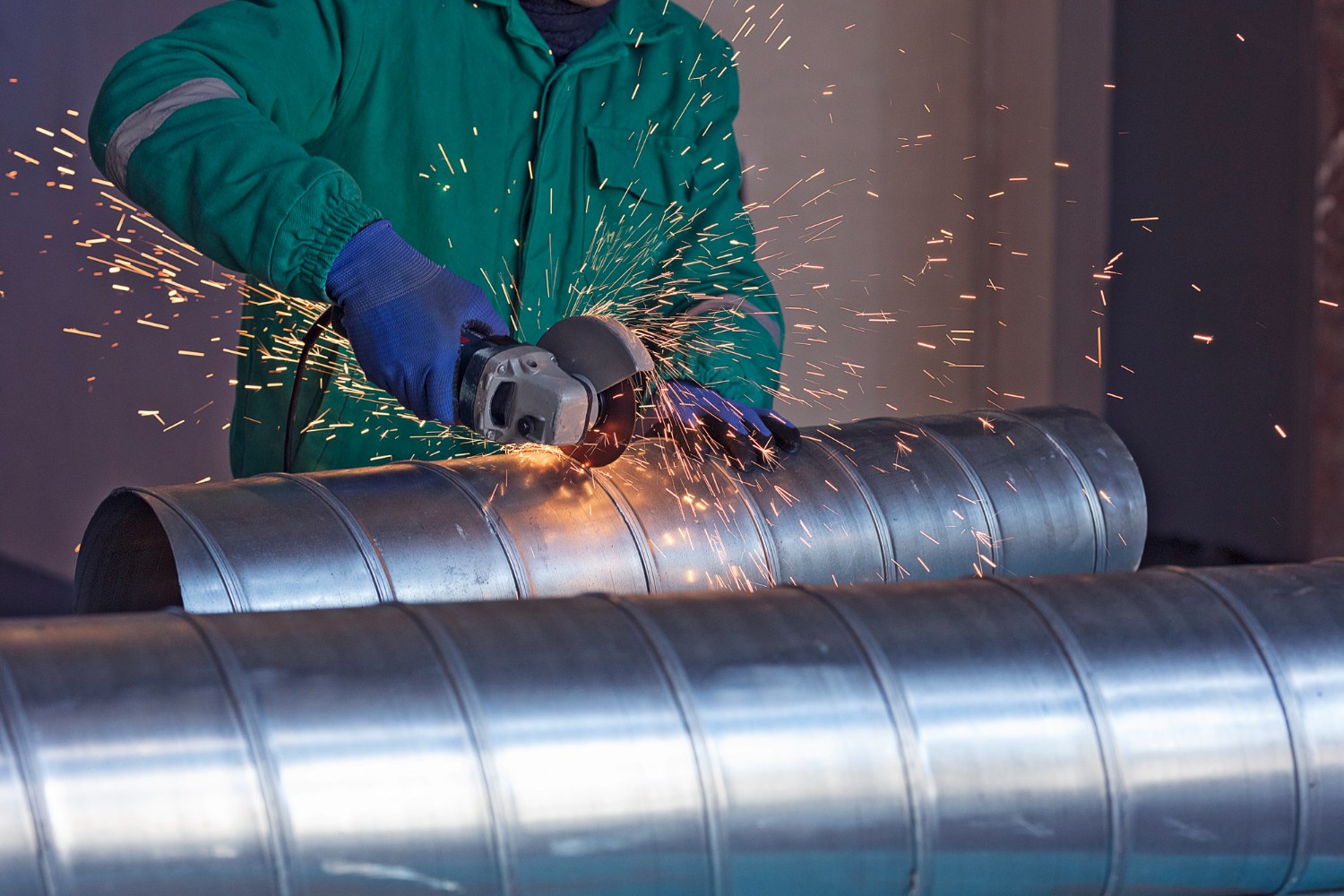
Durability isn’t a buzzword. It’s the difference between a product that quietly lasts ten years and one that fails after two. In many cases, the secret sits hidden in the smallest details—how components are formed, shaped, and finished. Few processes influence this more than stainless steel pressings. Not many notice it, but if the pressing is wrong, everything downstream suffers.
1. Controlling Stress Where It Starts
When metal is shaped under pressure, tiny structural changes happen beneath the surface. Most people overlook this. Engineers don’t. A poorly managed pressing can introduce microscopic cracks, the kind that slowly grow until failure. Get it right, and you extend the component’s lifespan before it’s even installed.
2. Protecting the Invisible Shield
Stainless steel naturally forms a protective chromium oxide layer. Scratch it, stress it, or bend it incorrectly, and you compromise that defence. Proper pressing techniques preserve it—a detail that matters when a part has to survive saltwater, humidity, or chemical exposure.
3. Designing for Uneven Loads
Not every component bears weight equally. Brackets, mounts, and engine parts often face concentrated stress. Pressings allow designers to redistribute forces by shaping the geometry itself, which means less deformation under extreme pressure and fewer unexpected failures down the line.
4. Accuracy That Pays Off Later
Durability isn’t just about material strength. It’s also about how well one part connects with another. Pressings deliver tight tolerances, which reduce wear where components interact. Less friction, less heat, fewer replacements.
5. Complexity Without Compromise
The evolution of metal pressing in the UK has allowed manufacturers to create intricate, lightweight components without trading off durability. Renewable energy, automotive safety systems, even surgical tools—sectors relying on precision get stronger, longer-lasting parts because of it.
6. Sustainability by Default
A durable part doesn’t just save maintenance costs. It avoids unnecessary waste. Stainless steel fabrication components formed correctly tend to outlive alternatives, which helps manufacturers hit sustainability targets without redesigning entire systems.
7. Consistency at Scale
Mass production is unforgiving. A thousand flawless units don’t matter if the thousand-and-first fails. Good press tooling prevents that keeping quality consistent without constant human intervention.
In the end, stainless steel pressings shape more than components; they quietly shape the reliability of entire products. Durability, after all, is rarely accidental.