In an array of industries, accurate and flexible weighing solutions are paramount. From ensuring precise livestock weights to managing warehouse inventory, the demand for versatile and reliable equipment is constant.
This is where load bar scales emerge as an indispensable tool, offering a robust and adaptable answer to diverse weighing challenges. These innovative systems provide the precision of traditional scales with unparalleled portability, making them a game-changer for businesses needing measurement on the go or across varied environments.
What Exactly Are Load Bar Scales?
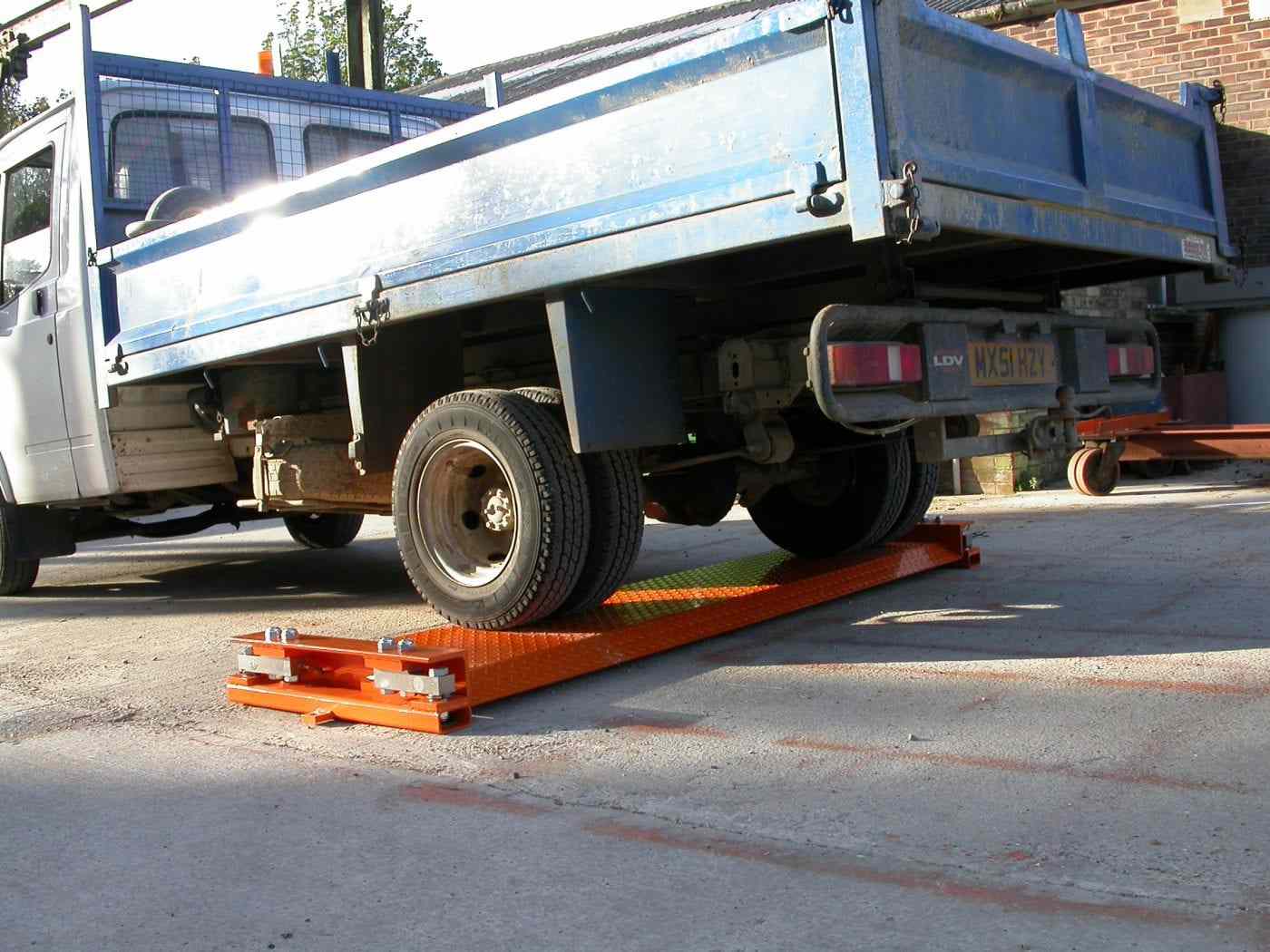
Unlike fixed platform scales, load bar scales consist of two separate, rugged bars equipped with internal load cells. These bars can be positioned to suit the object being weighed, from irregularly shaped items to large animals or pallets.
The two bars connect to a central indicator unit, which processes and displays the weight. This design makes them incredibly versatile, allowing users to create a weighing solution customized to their immediate needs, often on the fly. Their inherent adaptability distinguishes them from more rigid weighing systems.
Key Advantages That Set Them Apart
The benefits of integrating load bar scales into your operations are substantial:
- Exceptional Portability: One of their standout features is mobility. Often equipped with robust handles and a relatively lightweight yet durable construction, they can be easily moved and set up wherever weighing is required. This is particularly beneficial for field operations or dynamic warehouse environments.
- Unmatched Versatility: Whether you need to weigh livestock such as cattle, sheep, or horses, or cumbersome items like pallets and crates, load bar scales adapt effortlessly. Their modular design allows for variable spacing, accommodating objects of various lengths and widths.
- Robust Durability: Constructed from heavy-duty materials like mild steel with a protective powder-coated finish, these scales are built to withstand harsh industrial and agricultural environments. They are designed for longevity and reliable performance under demanding conditions.
- Integrated Functionality: Modern load bar scales often come with a built-in indicator, frequently powered by a rechargeable battery offering extended operational hours. Features such as Tare (to zero out container weight), Hold (to capture fluctuating weights), Accumulation (to total multiple weighments), and Kg/lb conversion enhance their utility and user-friendliness.
- High Accuracy and Reliability: Despite their portable nature, load bar scales deliver impressive accuracy. Many models boast OIML R76 approval, ensuring they meet rigorous international standards for precision across various capacities, from 1000kg to 5000kg.
Ideal Applications
The adaptability of load bar scales makes them suitable for a wide range of applications:
- Agriculture: Essential for weighing livestock for health monitoring, market preparation, or feed management.
- Warehousing & Logistics: Perfect for checking incoming and outgoing goods on pallets, ensuring accurate shipping weights, or managing inventory.
- Manufacturing: For weighing oversized components or materials that don’t fit on standard platforms.
- Construction: To accurately weigh building materials at various stages of a project.
Conclusion
Integrating load bar scales into your business streamlines operations, enhances accuracy, and offers unparalleled flexibility. By providing a portable, precise, and durable weighing solution, they empower businesses to make informed decisions, optimize processes, and ensure compliance across various sectors. For any operation requiring adaptable and reliable measurement, load bar scales represent a smart and strategic investment.