In any business dealing with large quantities of small parts, accurate inventory counting can feel like an endless, tedious task. Whether you’re managing a warehouse, running a manufacturing facility, or operating a retail business, manually counting thousands of identical items is time-consuming and prone to human error.
This is where counting scales come to the rescue, revolutionizing how businesses handle inventory management and saving countless hours of labor.
What Are Counting Scales?
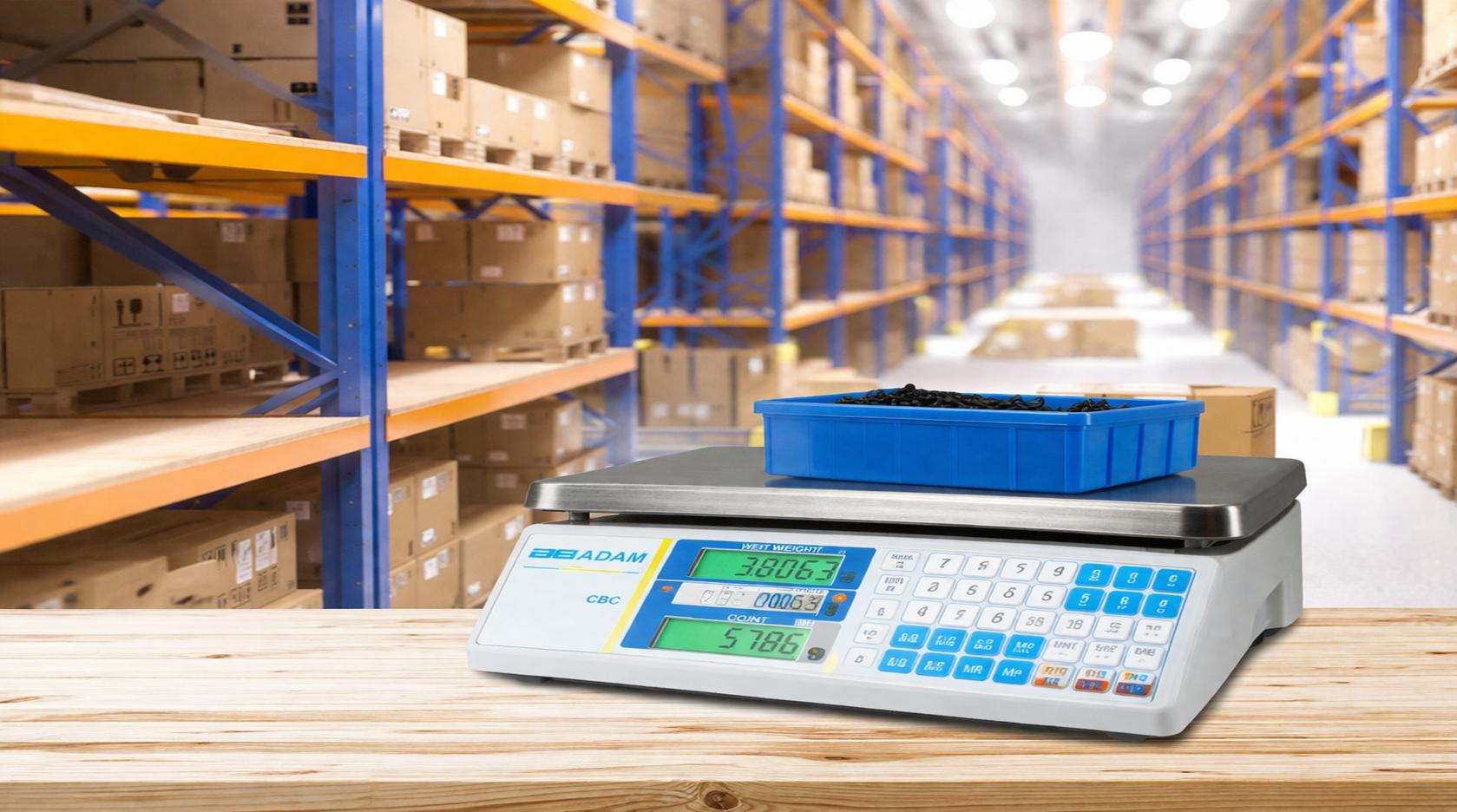
Counting scales are specialized weighing instruments designed to determine the quantity of items by weight rather than manual counting. The process is brilliantly simple.
The scale weighs a sample of items to calculate the average weight of a single piece, then uses this reference to determine the total count of a larger batch. What might take hours to count manually can be accomplished in mere seconds with remarkable accuracy.
Why Your Business Needs Counting Scales
Multiple industries require counting scales for different purposes according to the needs of their work.
1. Dramatic Time Savings
Imagine counting 10,000 screws, bolts, or small components by hand. It would take hours and test anyone’s patience. With counting scales, this same task takes less than a minute. This efficiency translates directly into labor cost savings and allows your team to focus on more valuable activities.
2. Improved Accuracy
Human error is inevitable, especially during repetitive tasks. Fatigue, distractions, and simple mistakes can lead to miscounts that affect inventory records, order fulfillment, and customer satisfaction. Counting scales eliminate these errors, providing consistent, reliable counts every single time.
3. Better Inventory Control
Accurate counting leads to better inventory management. You’ll know exactly what you have in stock, reducing the risk of shortages or overordering. This precision helps maintain optimal inventory levels and improves cash flow management.
Key Features That Matter
- Sample Size Optimization: Modern counting scales can work with various sample sizes, automatically adjusting for the best accuracy based on your needs.
- Memory Functions: Store the weights of frequently counted items for instant recall, making repetitive counting tasks even faster.
- High Precision: Advanced sensors can detect tiny weight differences, ensuring accurate counts even for very small or lightweight items.
- Multiple Display Options: View total weight, piece weight, and quantity simultaneously for complete transparency.
- Checkweighing Capabilities: Many models include alert functions that notify you when counts fall above or below preset parameters.
Industries That Benefit Most
Manufacturing facilities use them for component inventory and quality control. Warehouses rely on them for efficient receiving and shipping operations. Electronic component suppliers count tiny parts with ease.
Pharmaceutical companies ensure precise tablet and capsule counts. Hardware stores manage bulk fastener inventory. Packaging operations verify piece counts before shipment.
Choosing the Right Counting Scale
Consider your specific needs when selecting a counting scale. The size and weight of items you’ll be counting determine the capacity and precision required. If you count various items, look for models with extensive memory storage. For high-volume operations, durability and speed become critical factors.
Integration capabilities matter too. Many modern counting scales can connect to computers or inventory management systems, automatically updating your records and further reducing manual data entry.
The Bottom Line
Investing in counting scales isn’t just about buying equipment; it’s about investing in accuracy, efficiency, and peace of mind. The time and money saved, combined with improved inventory accuracy, make counting scales an essential tool for any business dealing with large quantities of small items. Stop counting manually and start working smarter.