Managing livestock efficiently starts with accurate weight data. Whether you are monitoring growth rates, calculating feed rations, or preparing animals for market, having the right equipment makes a massive difference. Cattle weighing scales are one of the most valuable investments any serious farmer or rancher can make for their operation.
Without reliable weight measurements, you are essentially guessing when it comes to animal health and profitability. Accurate data helps you make smarter decisions, reduce feed waste, and maximise returns at sale time.
Why Accurate Cattle Weighing Matters More Than You Think
Weight tracking is directly connected to the financial performance of your livestock operation. Animals sold underweight mean lost revenue, while overfeeding burns unnecessary feed costs. Both problems are easily avoided with regular and accurate weighing.
Veterinarians also rely on accurate bodyweight to calculate correct medication dosages. An incorrect estimate can lead to under-dosing, which risks treatment failure, or overdosing, which can seriously harm the animal.
Beyond health and finance, many agricultural compliance programs and export certifications now require documented weight records as part of their standards.
Types Of Cattle Weighing Scales To Know About
Not every scale suits every farming setup. The right choice depends on your herd size, handling facilities, and how frequently you plan to weigh animals.
Popular Options Available On The Market
Here is a quick breakdown of the most common types used across farms today:
- Crush Scales: Integrated directly into a cattle crush or squeeze chute, making them ideal for routine weighing during handling
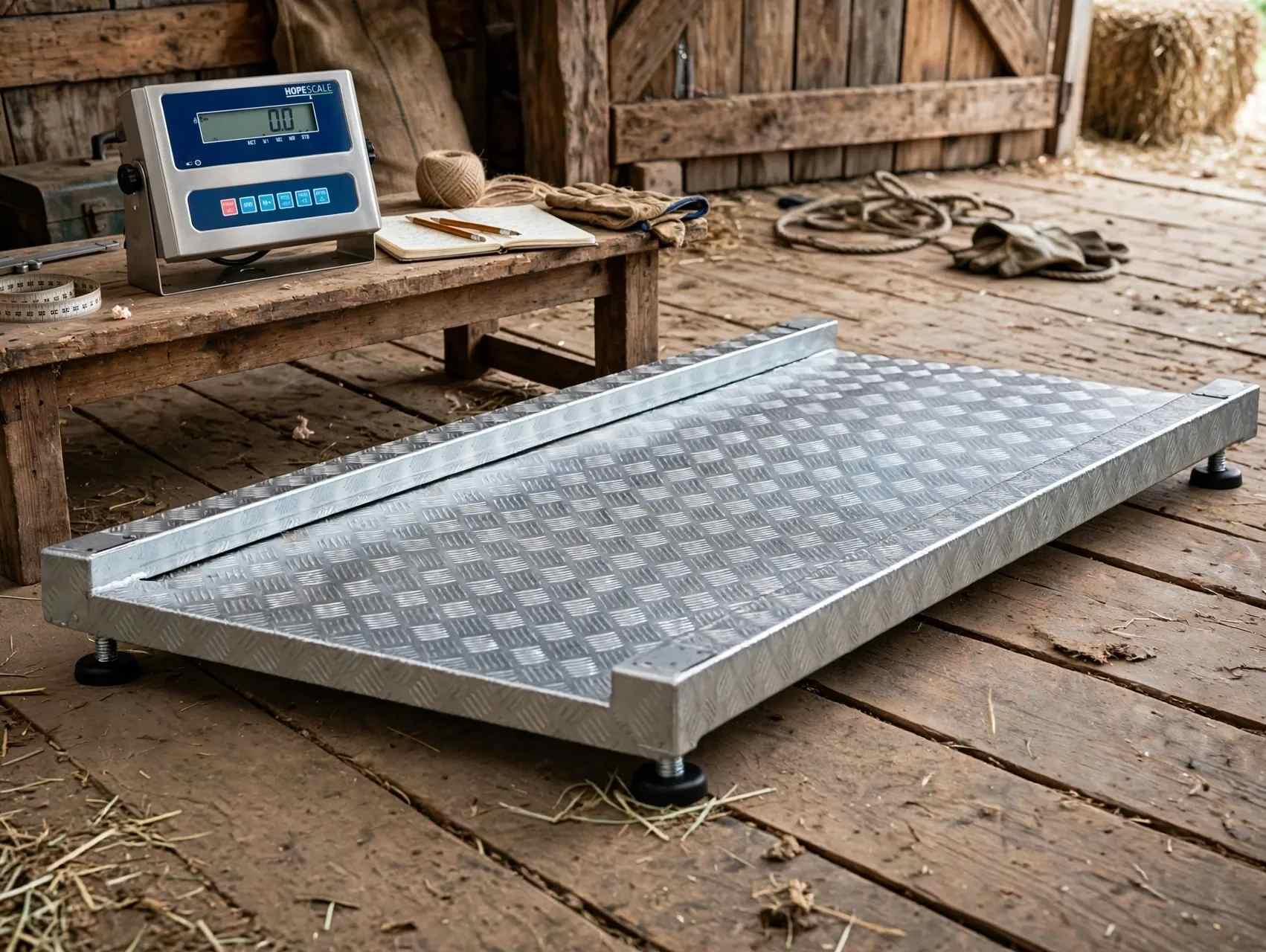
- Weigh Platforms: Large flat platforms that cattle walk onto, suitable for yards with high throughput
- Portable Livestock Scales: Lightweight and easy to transport between paddocks or properties, great for smaller operations
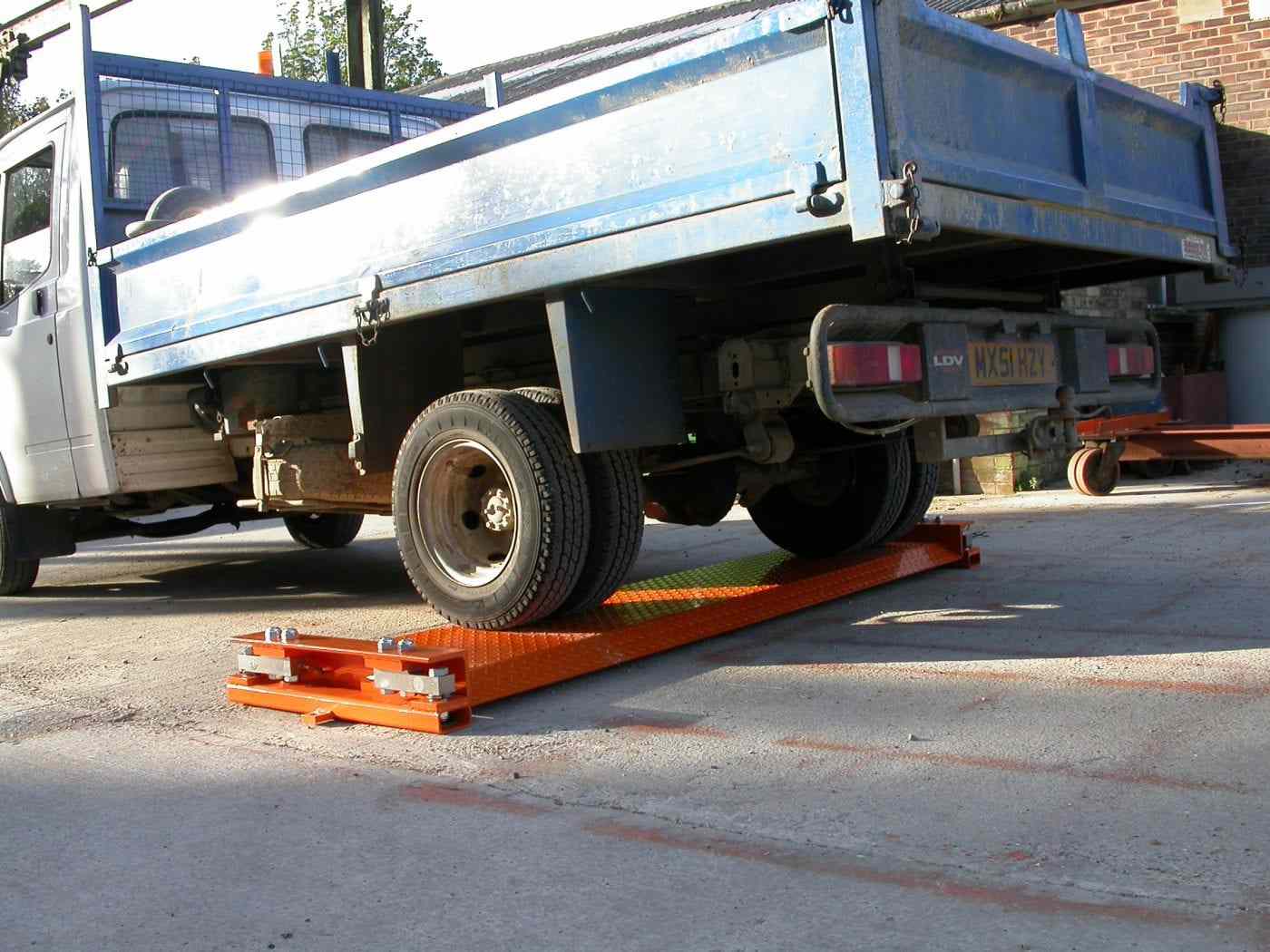
- Truck Scales: Used to weigh full loads of cattle before transport, ensuring legal compliance on the road
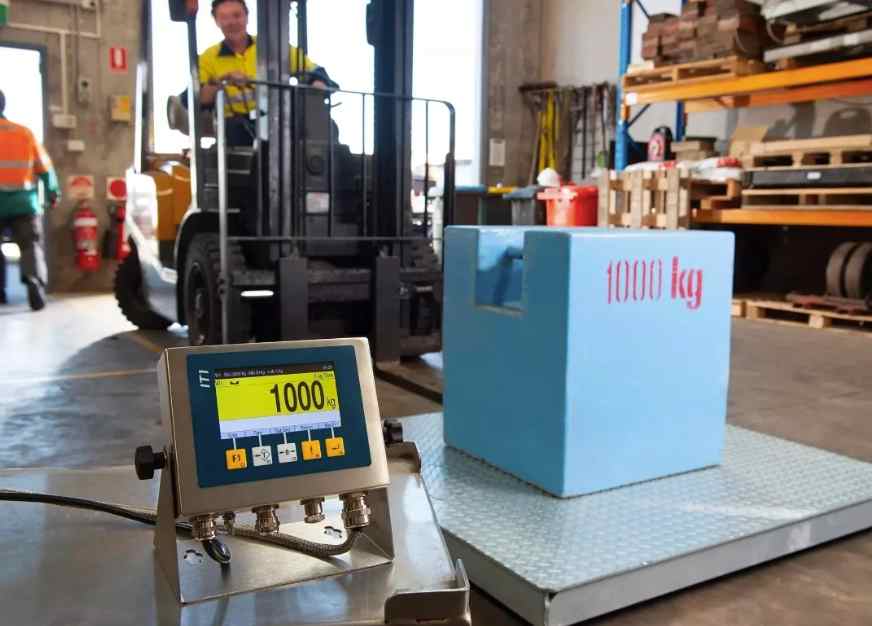
- Indicator Units: Digital readout devices paired with load bars, offering flexible setup options for existing yards
Choosing the right type from the start saves you significant time, money, and frustration down the track.
Key Features To Look For When Buying
Durability is non-negotiable when it comes to farm equipment. Cattle are heavy, unpredictable, and hard on machinery, so build quality should always be your first consideration.
What Separates A Good Scale From A Great One
Look for heavy-duty steel construction, a weatherproof rating, and anti-slip flooring on the platform. These basics will determine how long your investment actually lasts in real working conditions.
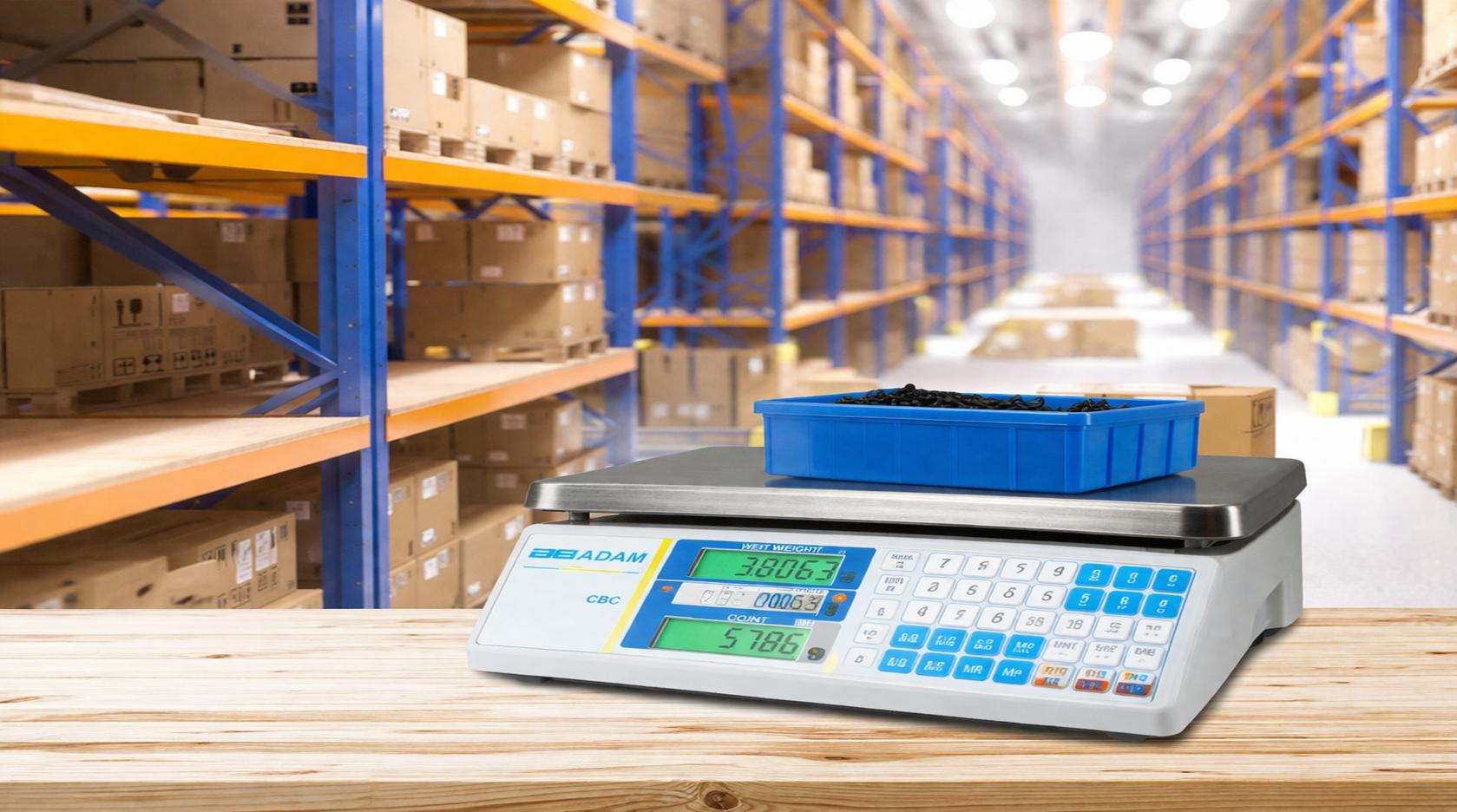
Digital indicators with data memory and connectivity features are also worth considering. Being able to store and export weight records saves hours of manual bookkeeping every week.
Finally, always check warranty terms and local after-sales support availability before committing to a purchase. A great product with zero local support is a liability, not an asset.