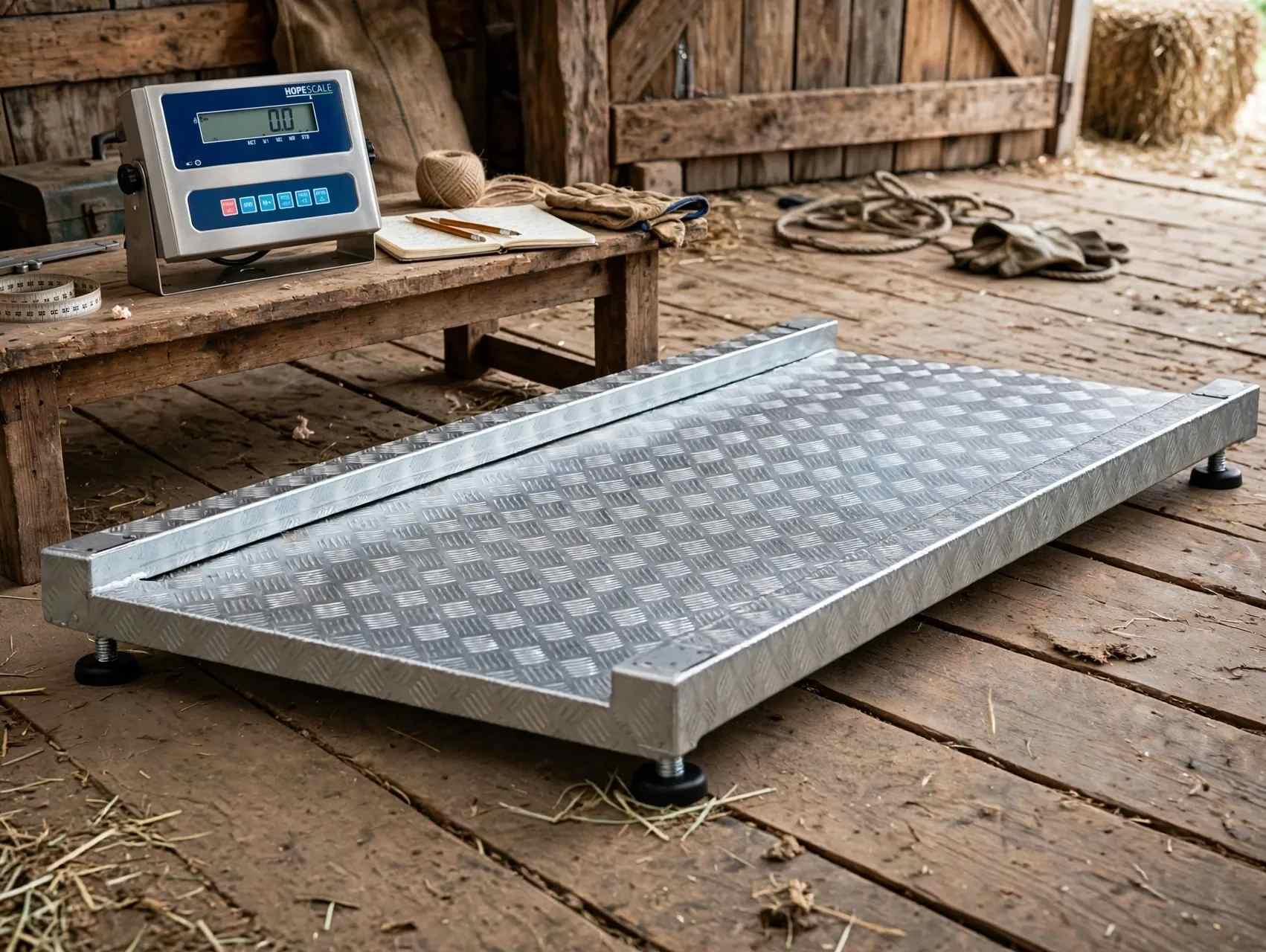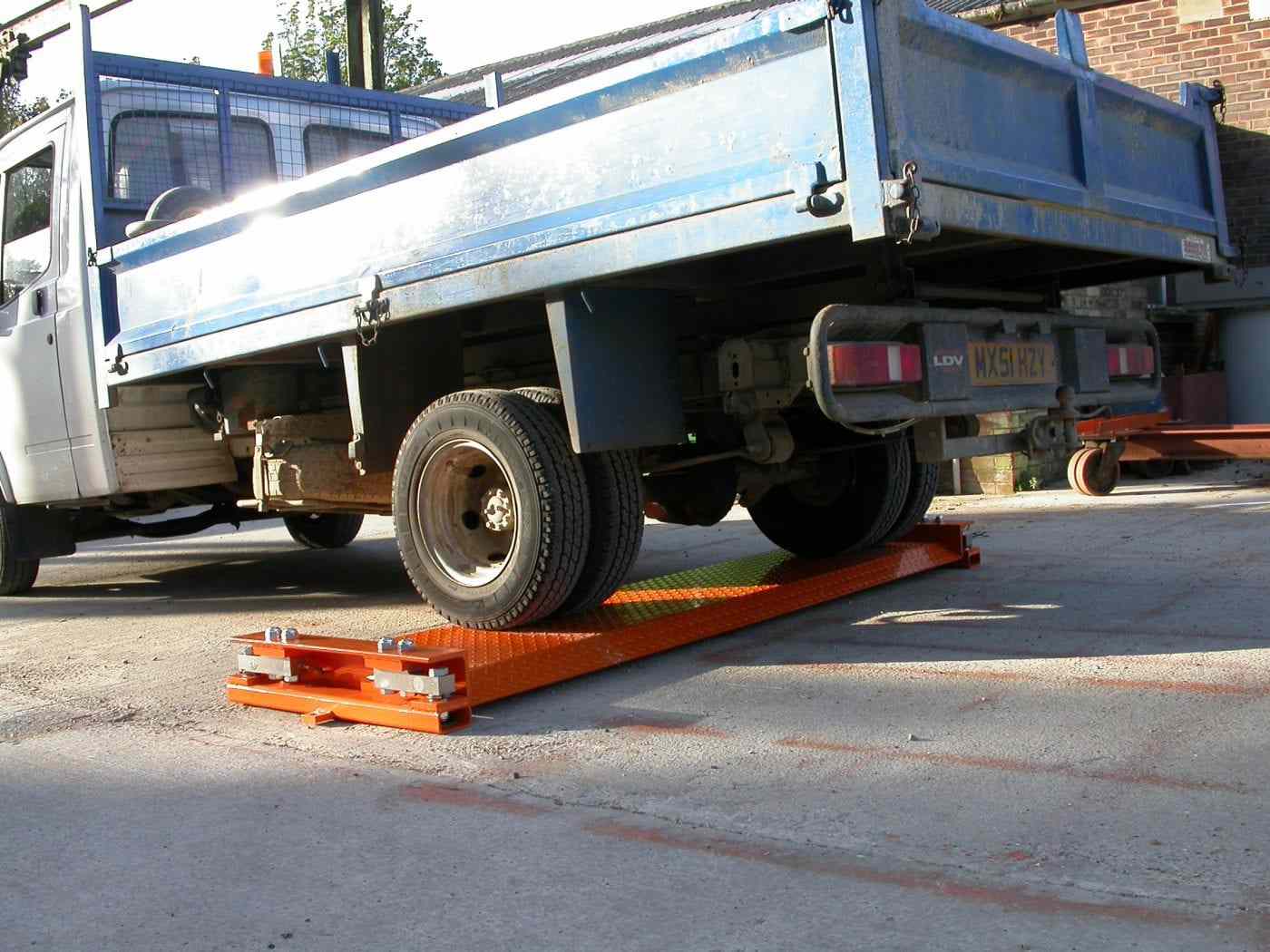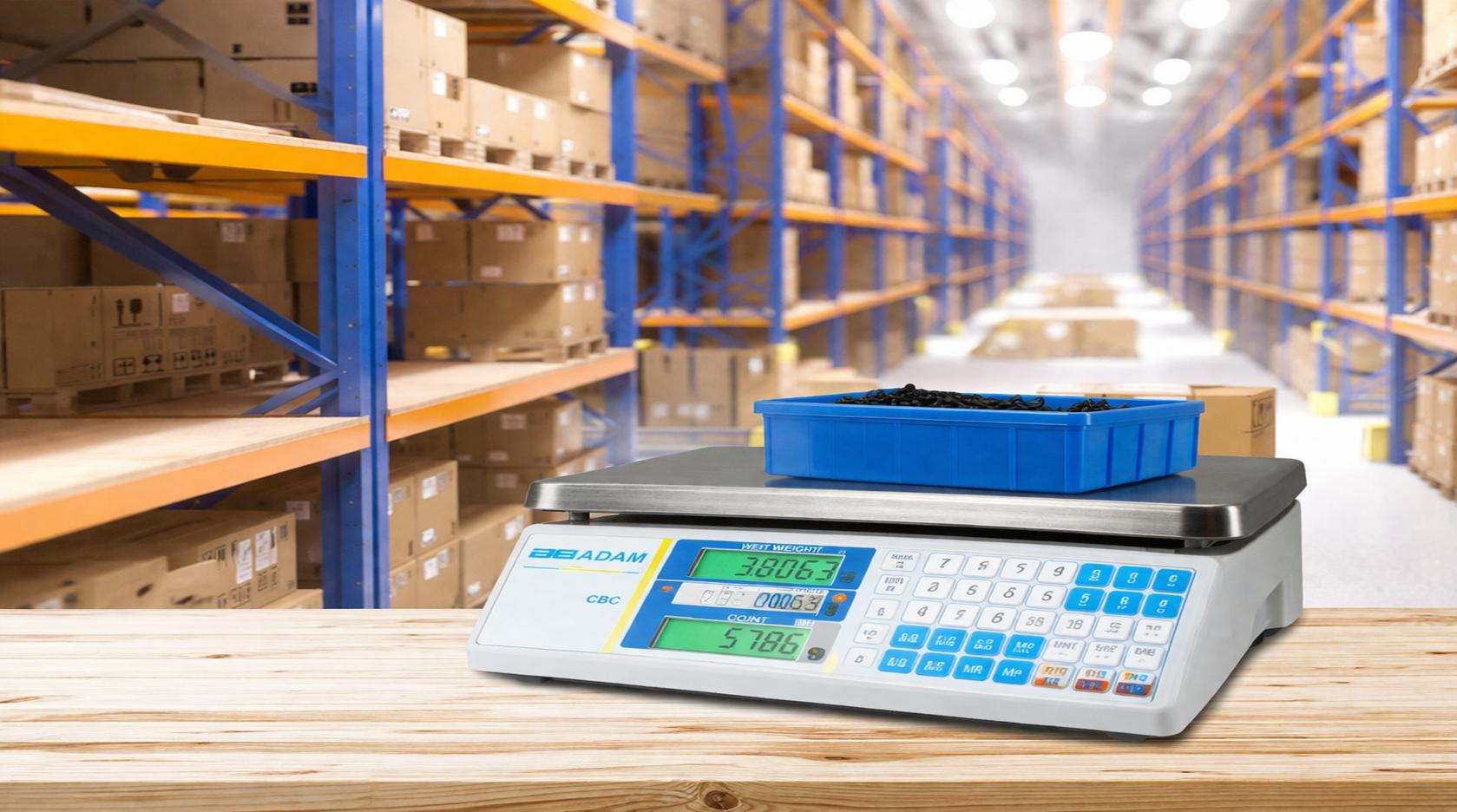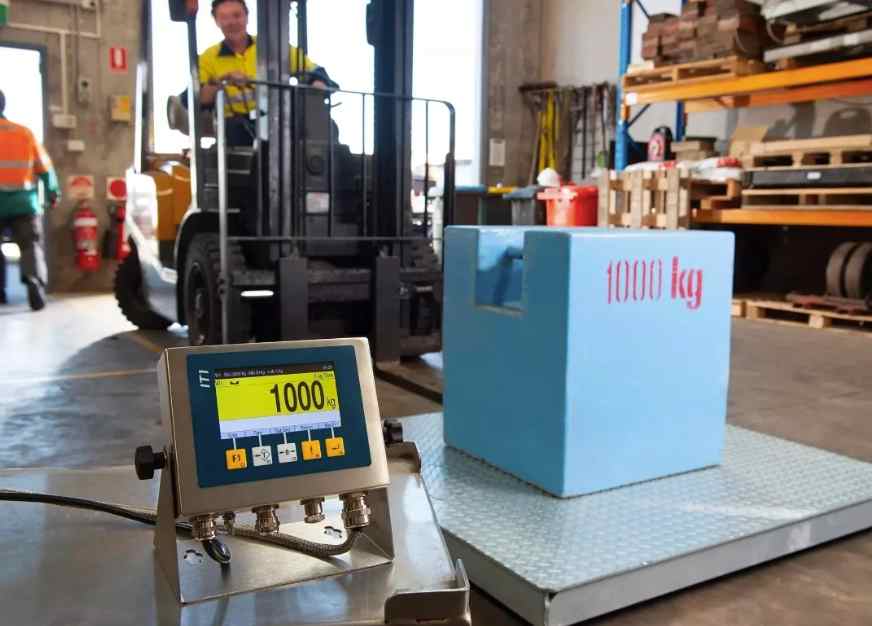
Industrial Smart Scales are transforming the way modern industries handle weighing, tracking, and data management. From manufacturing plants to logistics hubs, these advanced systems improve accuracy and efficiency in daily operations by removing the guesswork from bulk measurements.
If you are exploring reliable and automated weighing solutions, take a look at Industrial Smart Scales to understand how automated systems are reshaping industrial processes with smart technology and seamless integration.
Why Businesses are Switching to Smart Weighing
Traditional scales provide a number on a screen, but smart systems provide actionable data. These tools are designed to communicate directly with your company’s existing software to streamline workflows.
- Improved Accuracy: Advanced sensors ensure precise measurements, reducing costly errors.
- Real-Time Data Monitoring: Instant data sharing improves decision-making.
- Automation: Minimizes manual data entry and speeds up workflow.
- Inventory Control: Automatically updates stock levels and material usage.
- Compliance Support: Helps maintain industry standards and regulatory requirements.
Key Applications Across Industries
Industrial Smart Scales are used in multiple sectors due to their flexibility and reliability. Their ability to integrate with other systems makes them highly adaptable for diverse environments.
-
Manufacturing and Production
In manufacturing plants, smart scales ensure raw materials are measured accurately before production begins. This prevents material waste and maintains product consistency. Automated systems also track batch weights, improving quality control and documentation.
-
Logistics and Warehousing
In warehouses, these scales speed up shipment processing by capturing accurate parcel weights instantly. Integrated software can calculate shipping costs, print labels, and update inventory records automatically, saving time and reducing labor costs.
-
Food and Pharmaceutical Industries
Precision is critical in food and pharmaceutical production. Smart scales help maintain exact ingredient proportions, ensuring safety and compliance. Digital records also make audits and inspections much easier and more transparent.
Why Automation Matters in Modern Weighing
Automation plays a crucial role in improving operational efficiency in a competitive market. It bridges the gap between physical measurements and digital record-keeping.
-
Reducing Human Error
Manual data entry often leads to mistakes that can affect inventory, billing, or compliance records. Automated smart scales eliminate this issue by directly transferring data to connected systems, ensuring 100% consistency and accuracy.
-
Enhancing Operational Speed
Automated weighing processes reduce delays caused by manual calculations and paperwork. Faster processing means quicker turnaround times, improved customer satisfaction, and better resource management across the entire supply chain.
Conclusion
When selecting an industrial smart scale, consider your business size, environment, and integration requirements. Look for systems that support software connectivity, durable construction, and easy maintenance to ensure a long lifespan.
It’s also wise to choose a trusted supplier that offers technical support and customization options. A well-chosen system not only improves weighing accuracy but also strengthens overall operational performance and profitability.