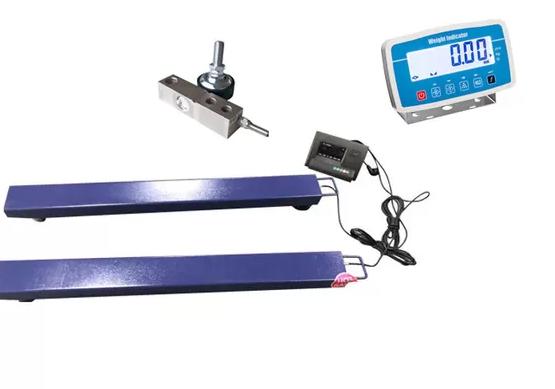
When it comes to weight measurement in industrial settings, load bar scales are one of the most valuable tools. These devices are crucial for ensuring that your operations run smoothly, safely, and efficiently.
Whether you’re in logistics, manufacturing, or any other field that requires precise weight measurements, choosing the right load bar scales can make a significant difference.
In this article, we’ll walk you through what you need to consider when selecting load bar scales for your business needs.
1. Weight Capacity
Different businesses have different needs depending on the size and weight of the items they need to weigh. It’s crucial to choose load bar scales with a weight capacity that suits your heaviest loads. If you frequently deal with extremely heavy items, you’ll want to invest in high-capacity scales that can handle the demands of your business without compromising accuracy.
2. Accuracy and Precision
Accuracy is critical when it comes to weight measurements. Inaccurate readings can lead to issues such as overloading equipment, safety risks, and potential legal or regulatory problems.
Therefore, when selecting load bar scales, check the scale’s accuracy and ensure it provides precise measurements that meet industry standards. Depending on your business, you may need scales that offer high precision down to small increments, while others may only need less granular accuracy.
3. Durability and Construction
Load bar scales are often used in tough environments where they’re exposed to heavy loads, dust, moisture, and other elements. Therefore, durability should be a top priority.
Look for load bar scales made from high-quality materials like stainless steel or aluminum that can withstand the demands of your business.
Additionally, make sure the scale is designed to handle harsh conditions, such as wet or high-temperature environments, if applicable to your industry.
4. Ease of Use
While durability and accuracy are essential, your team also needs a scale that’s easy to use. The setup, operation, and maintenance should be straightforward.
Many modern load bar scales come with user-friendly interfaces and digital displays, making it easier for workers to read measurements and operate the device.
Some scales even feature wireless connectivity, which simplifies data collection and integration with other systems, saving both time and effort.
5. Compliance with Industry Standards
Many industries require businesses to use scales that meet certain regulatory standards, whether it’s for weight tolerance or safety regulations.
Before purchasing load bar scales, make sure they are certified by relevant authorities, such as the National Institute of Standards and Technology (NIST). This ensures that your business remains compliant and avoids potential fines or issues with authorities.
6. Cost vs. Quality
It’s important to balance cost and quality when selecting load bar scales. While it might be tempting to choose a lower-cost option, investing in higher-quality scales often pays off in the long run.
A well-built scale can reduce the likelihood of breakdowns and inaccuracies, saving your business time and money. Ensure that the scale you choose offers a good return on investment by meeting both your immediate needs and future demands.
Conclusion
Choosing the right load bar scales for your business needs involves assessing factors like weight capacity, accuracy, durability, ease of use, and compliance with industry standards.
By considering these factors, you can make an informed decision that will help optimize your operations.